The Short Answer
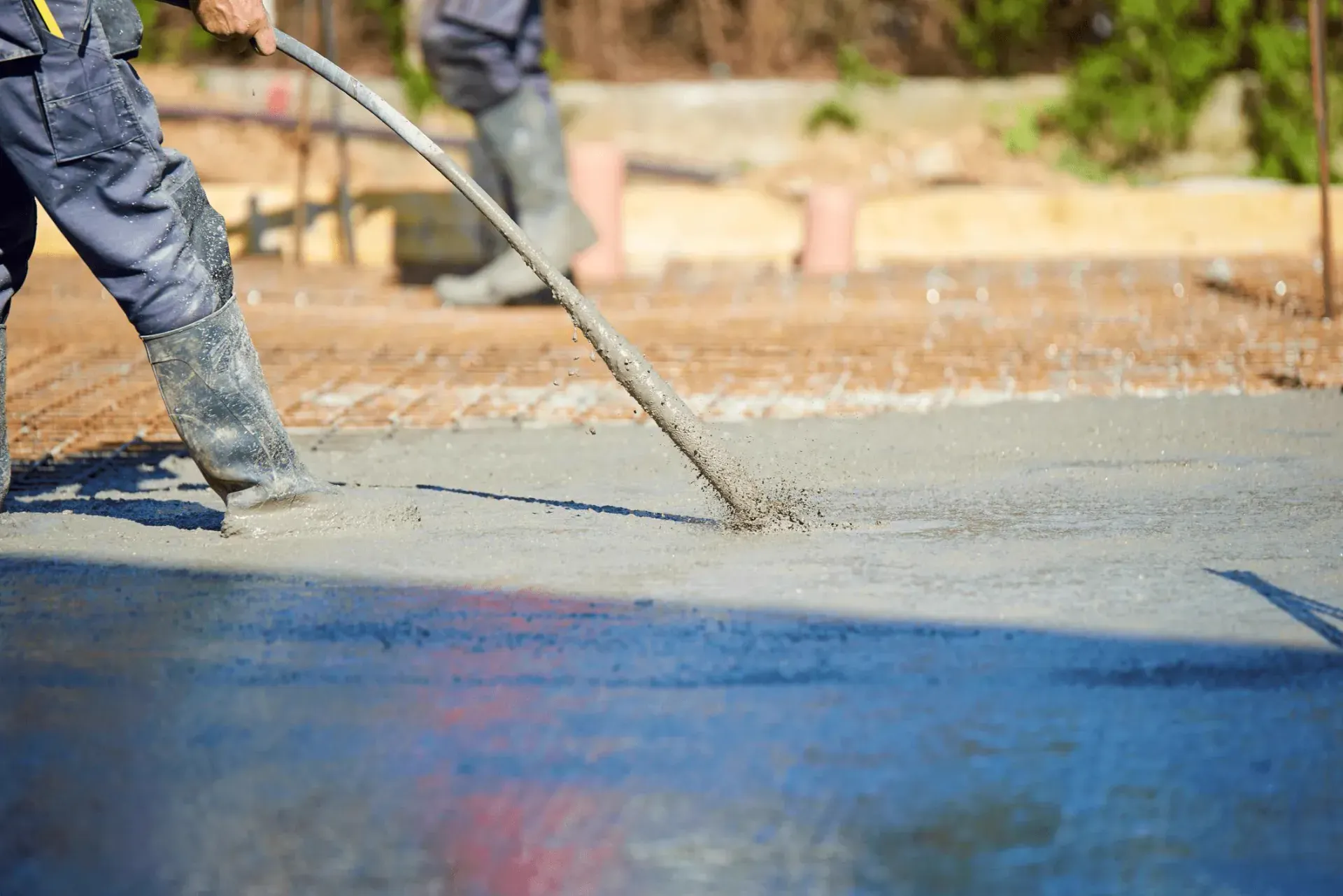
You need a concrete pump when concrete cannot be placed directly from the lorry. This is common on sites with limited access, long distances, height restrictions or tight timelines. Pumps are especially useful for foundations, slabs, basements and large pours because they improve speed, accuracy and safety, while reducing manual labour.
If you are asking, “Do I need a concrete pump?”, use this simple test. If the mixer cannot discharge where the concrete needs to go, or if wheelbarrowing would be slow, messy or hard work, pumping is usually the better option. For many domestic and commercial jobs, it is not just convenient. It can make the whole pour easier to manage.
At Elite Concrete, we help customers plan concrete delivery around real site conditions. We look at access, distance, pour size and the finish you need before recommending the right setup. You can also explore our concrete pump hire, ready mix concrete and volumetric concrete services if you are comparing options.
When Do You Need A Concrete Pump?
A concrete pump is needed when direct discharge from the lorry is impractical or impossible. This usually happens when the pour area is too far away, hard to reach, above ground, below ground, or when concrete must be placed quickly and accurately.
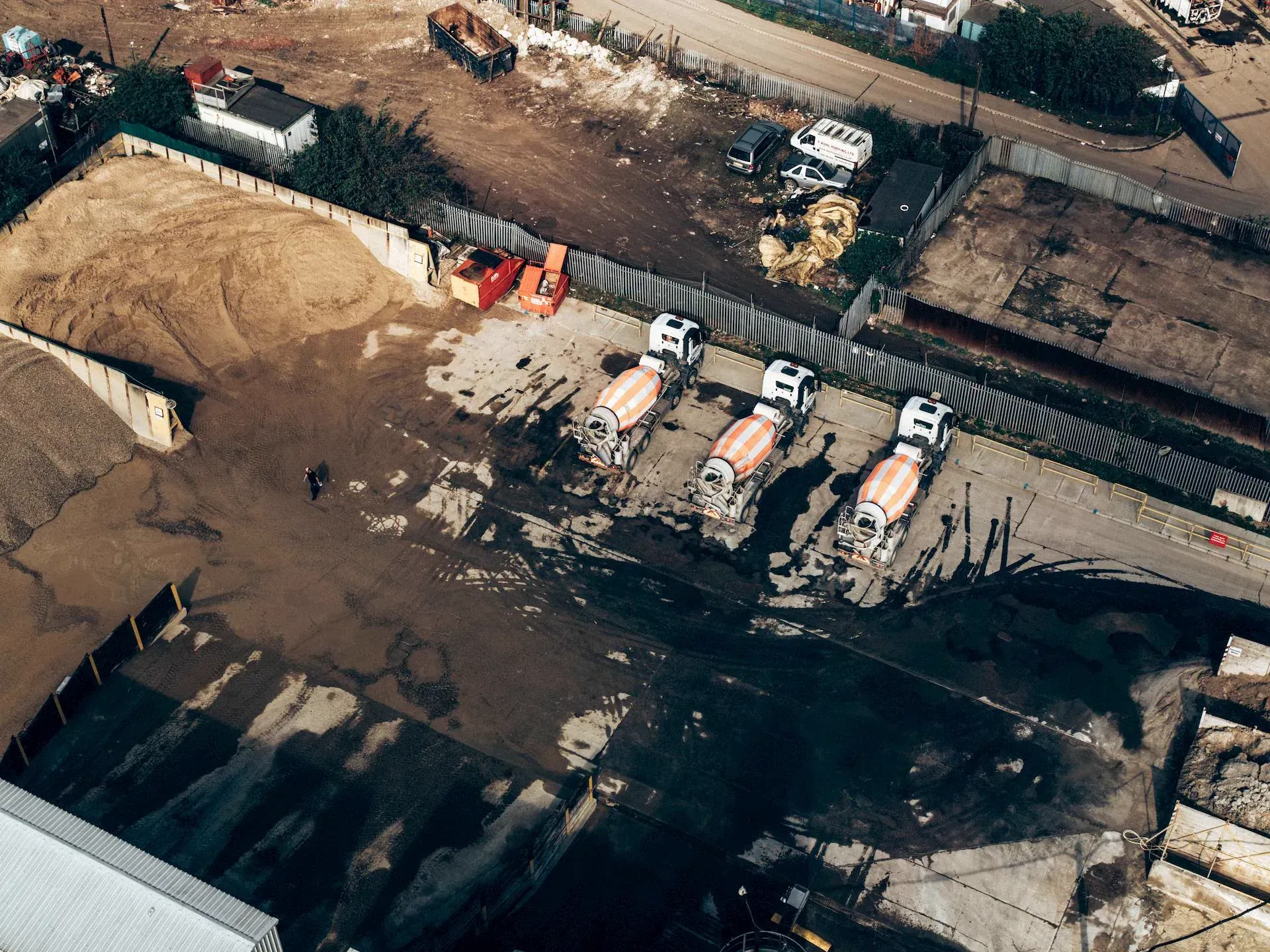
- You Likely Need A Pump If: The concrete lorry cannot park close to the pour.
- You Likely Need A Pump If: Access is through a side passage, rear garden or enclosed site.
- You Likely Need A Pump If: Concrete must travel a long distance from the road.
- You Likely Need A Pump If: You are pouring into trenches, basements, upper floors or awkward formwork.
- You Likely Need A Pump If: You want to save labour and keep the pour moving without delays.
For a quick volume check before booking, use the concrete calculator. Knowing how much you need helps match the pour to the right pump and delivery method.
The Main Situations Where A Concrete Pump Is Needed
When The Concrete Lorry Cannot Get Close Enough
One of the most common reasons for concrete pumping is access distance. Mixer lorries can only discharge directly if they can reverse close to the pour location. If the slab, footing or foundation is behind the property or deep within a site, a pump is often the most practical solution.
This is common on residential projects where the front driveway is accessible, but the pour is at the back of the house. Instead of moving concrete by hand, the pump delivers it straight to where it is needed.
When Access Is Narrow, Restricted Or Awkward
Terraced homes, side alleys, shared drives, gates, walls and neighbouring buildings can all make access difficult. In these situations, a concrete pump moves material through or around obstacles without repeated wheelbarrow trips.
This can also improve site safety. The Health and Safety Executive construction guidance highlights the need to reduce unnecessary manual handling and maintain safe site operations. Pumping supports both by cutting heavy movement across uneven ground.
When Concrete Must Be Placed Over A Long Distance
If concrete has to travel many metres from the roadside to the pour area, pumping is usually more efficient than wheelbarrowing. Long hose runs allow steady placement over distances that would otherwise take a lot of time and labour.
For example, a rear garden concrete pour for a garden room base or extension slab is often straightforward with a line pump, even when direct lorry access is impossible.
When Pouring At Height Or Below Ground Level
Concrete pumping is often the best choice when placing concrete into elevated or below-ground areas. This includes upper-floor slabs, raised formwork, retaining walls, basements and underground structures.

Moving concrete manually into these areas is slow and often unrealistic. A pump allows controlled placement where height, depth and restricted movement would otherwise create major problems.
When Speed And Continuous Flow Matter
Some pours need a steady supply of concrete to avoid delays, cold joints or uneven finishing. Foundations, raft slabs and larger hard standings often benefit from the continuous flow a pump provides.
According to The Concrete Centre, good concrete placement is important for long-term quality and performance. A pump helps keep the pour organised and consistent, which is useful on time-sensitive projects.
Projects That Commonly Require Concrete Pumping
House Extensions And Rear Garden Pours
Domestic concrete pump hire is often used for extension bases, garden rooms, sheds, patios and rear-access slabs. Many homeowners assume pumping is only for large commercial work, but it can be ideal for smaller jobs where access is the main issue.
If the only route is through a narrow side entrance or around the property, a line pump can save hours of effort and reduce disruption.
Foundations, Footings And Ground Beams
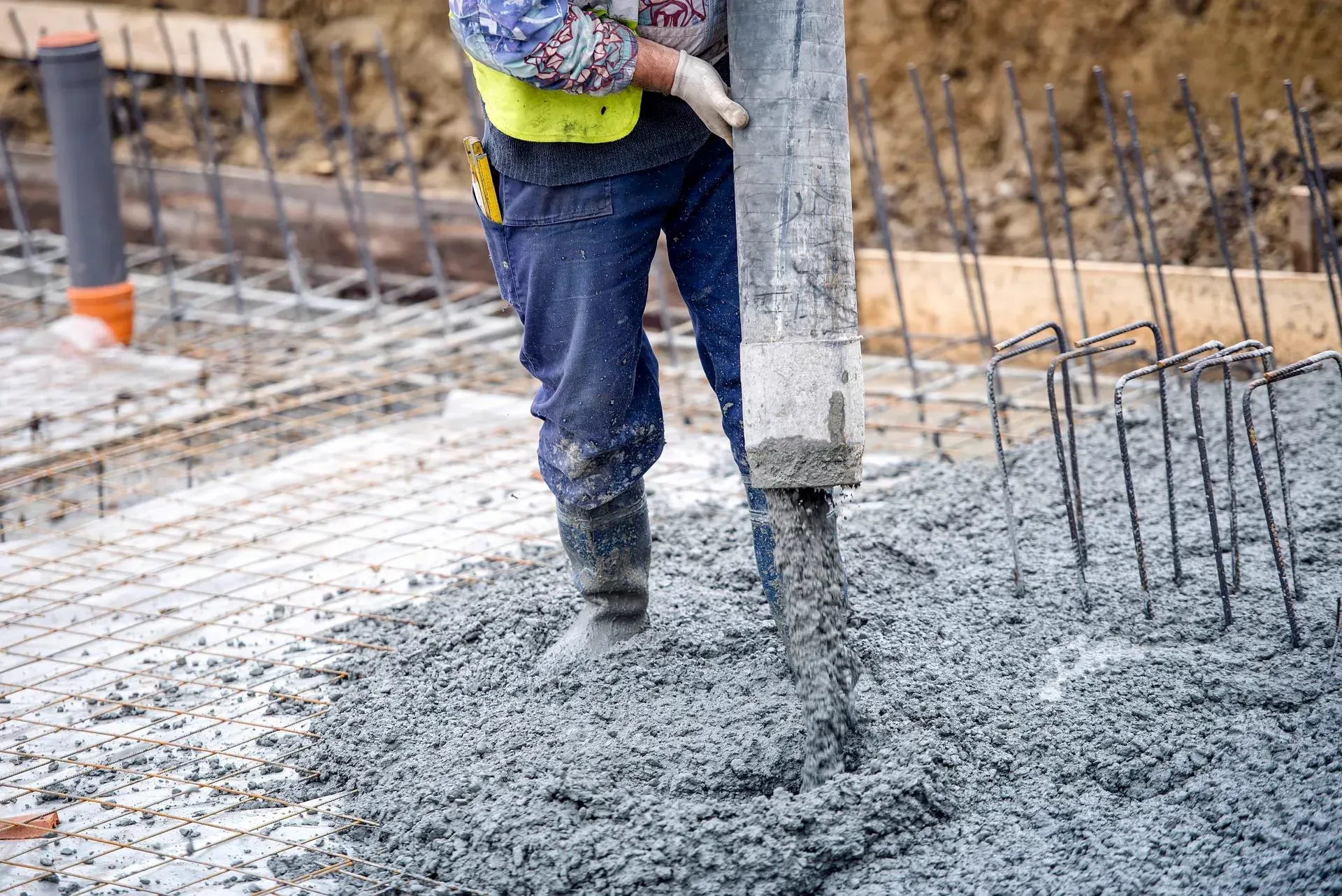
Concrete pumping for foundations is common because these pours often involve trenches, reinforced sections and long runs that need even placement. A pump helps place concrete exactly where it is needed, with less spillage and less shovelling.
This is especially useful where several foundation sections must be poured in sequence and timing matters.
Basements And Underground Works
Basement concrete pumping is one of the clearest examples of when a pump is needed. Below-ground work is difficult to serve by direct lorry discharge, and manual handling is rarely efficient for anything beyond very small volumes.
Pumping allows concrete to be delivered into the work area with better control and less physical effort.
Driveways, Slabs And Hard Standings
Concrete pumping for driveways, garage bases, workshop floors and external slabs can be worthwhile when access is restricted or a quick, tidy pour is needed. Even when a lorry can get fairly close, pumping may still reduce mess and improve placement accuracy.
For wider slab areas, it also helps the finishing team work more efficiently because the concrete reaches the right zones faster.
Commercial And Large-Scale Construction Sites
Commercial concrete pumping is common on sites where scale, programme pressure and access logistics all matter. Larger pours, repeated placement and multi-level work usually make pumping the most practical option.
Official data from the Office for National Statistics construction industry pages shows the wide range of activity across UK construction. Efficient concrete logistics remain a key part of keeping projects on schedule.
Do You Need A Line Pump Or A Boom Pump?
When A Line Pump Is The Better Choice
A line pump pushes concrete through hoses laid along the ground. It is often the better choice for:
- Rear Garden Pours: Where concrete needs to pass through or around a property.
- Extensions And Foundations: Where access is awkward but ground-level reach is manageable.
- Driveways And Slabs: Where controlled placement over distance is needed.
- Smaller Domestic Jobs: Where a boom pump would be unnecessary.
When A Boom Pump Is The Better Choice
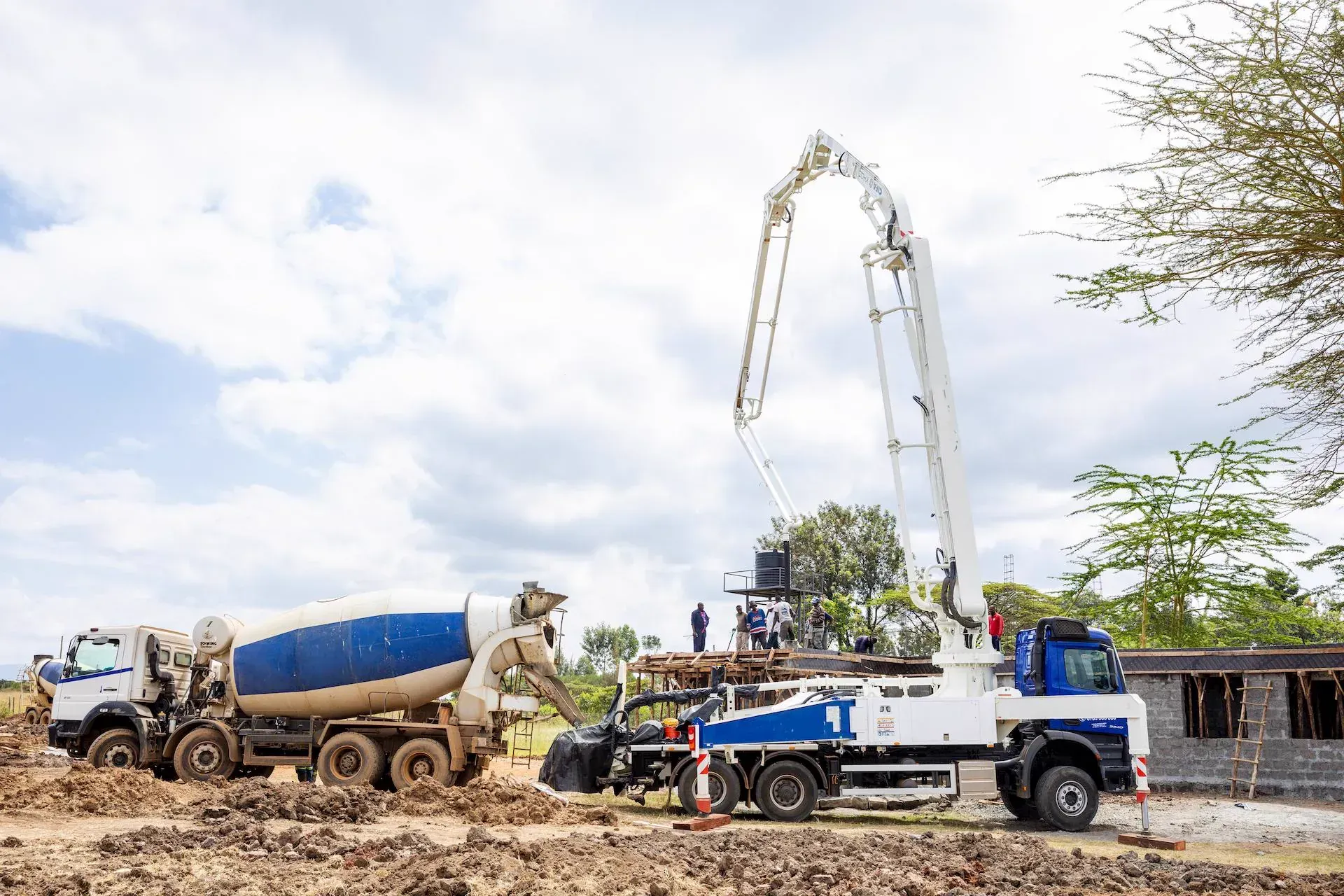
A boom pump uses a hydraulic arm to place concrete at height, over structures or into large formwork areas. It is often better for:
- High Or Elevated Pours: Such as upper-floor slabs or raised decks.
- Large Commercial Sites: Where output and reach need to be maximised.
- Basements And Complex Sites: Where precise overhead placement is useful.
- Obstructed Areas: Where long or elevated reach is needed across buildings or barriers.
If you are not sure which setup suits your site, contact Elite Concrete for advice based on your access and pour details.
Is A Concrete Pump Worth It?
Labour, Time And Waste Savings
Wheelbarrowing concrete takes people, time and physical effort. On larger or hard-to-reach pours, that quickly becomes inefficient. Pumping speeds up delivery and reduces the risk of delays while the concrete waits to be placed.
If a faster concrete pouring method helps you finish the pour with fewer operatives and less wasted material, the pump may easily justify the extra cost.
Accuracy, Finish Quality And Reduced Mess
A pump allows more precise concrete placement. This can improve distribution into trenches, shutters and slab areas, with less dropping, spreading and rehandling.
The result is often a cleaner site, less mess on paths or drives, and a better starting point for levelling and finishing.
Health And Safety Benefits
Moving heavy concrete loads by wheelbarrow across uneven, muddy or sloped ground increases the risk of strain, slips and disruption. Pumping reduces the amount of manual movement required and can make the work area easier to control.
That is one reason it is often preferred on challenging sites, especially when access is poor or the route is long.
Signs You May Not Need A Concrete Pump
A pump is not necessary for every project. You may not need one if:
- The Lorry Can Discharge Directly: Into the exact pour area.
- The Distance Is Very Short: And access is clear and level.
- The Pour Volume Is Small: Enough to manage easily without delay.
- The Site Is Open And Straightforward: With no obstacles, height issues or below-ground challenges.
This matters because honest advice saves money. At Elite Concrete, we recommend pumping only when it genuinely improves the job. If direct discharge is practical, that may be the simpler option. You can request guidance or a tailored price through the quote page.
What To Check Before Booking Concrete Pump Hire
Site Access And Hose Route
Check where the lorry and pump can park, how the hoses will run, and whether there are gates, steps, slopes or overhead obstructions. Even a quick site sketch or a few photos can help identify the best approach.
Pour Volume And Concrete Type
Know how much concrete you need and what specification the project requires. This helps you choose the right delivery method and avoid under-ordering or over-ordering. If you are unsure, use the calculator or review the options for concrete supply.
Timing, Crew Readiness And Weather
Concrete pumping works best when the site is ready before the lorry arrives. Formwork, reinforcement, labour and tools should all be in place. Weather can also affect site conditions, access and finishing time, so plan carefully for the day of the pour.
How To Decide Quickly For Your Project
If you want a fast answer, use this checklist:
- Access: Can the lorry reach the exact pour point?
- Distance: Is the pour too far from the roadside for easy discharge?
- Height Or Depth: Is the concrete going up, down or around obstacles?
- Volume: Would manual movement slow the pour too much?
- Practicality: Would pumping reduce labour, mess and risk?
If you answered yes to any of these, a concrete pump is likely worth considering. For many jobs, especially limited site access concrete pours, it is the most efficient way to place material properly the first time.
Choosing the right concrete delivery method comes down to access, distance, height, pour size and the level of control your project needs. If the concrete cannot be placed directly from the lorry, or if manual handling would slow the job down, a pump is often the smart choice.